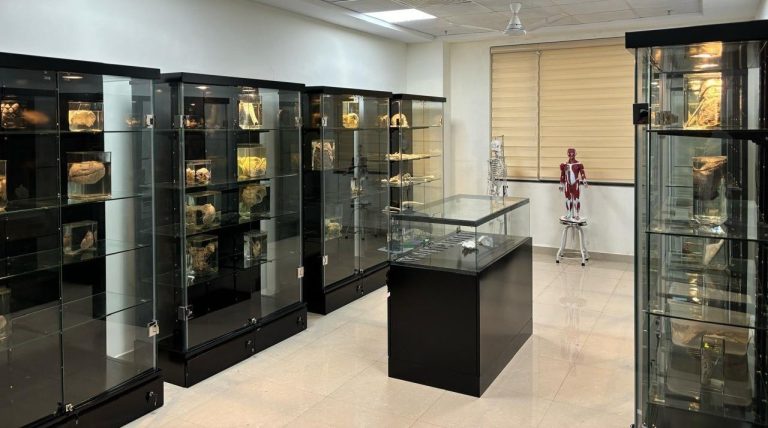
More Space Doesn’t Automatically Mean Better Merchandising
Retailers often assume that a larger display will do a better job because it can hold more stock and make a product range look substantial. Sometimes that is true. But a crowded fixture can make merchandise harder to compare, while a smaller, well-organised display can give customers a much clearer idea of what is available.
The same applies to how fixtures are positioned around a store. A shop does not need every product category to occupy a large footprint. Some items benefit from open shelving and easy access, while others are better presented in a more contained space.
The challenge is knowing where extra room helps and where it simply takes up valuable floor space.
Choose the Display Around the Product
Start with the merchandise rather than the fixture. Consider its size, shape, value, and how customers usually shop for it. Products that people want to handle need accessible presentation, while delicate collectibles or smaller valuable items may benefit from a more protected setup.
Wall mount display cases are one option when retailers need to present selected merchandise without dedicating another section of the sales floor to it. They can be useful for specialist products, collectibles, jewellery, awards, and other items that deserve a distinct display area.
However, the cabinet still needs to suit the merchandise. A deep case can waste space when displaying small objects, while a shallow one may be unsuitable for larger pieces. Shelf spacing, visibility, and access should all be considered before deciding on a size.
Resist the Urge to Fill Every Shelf
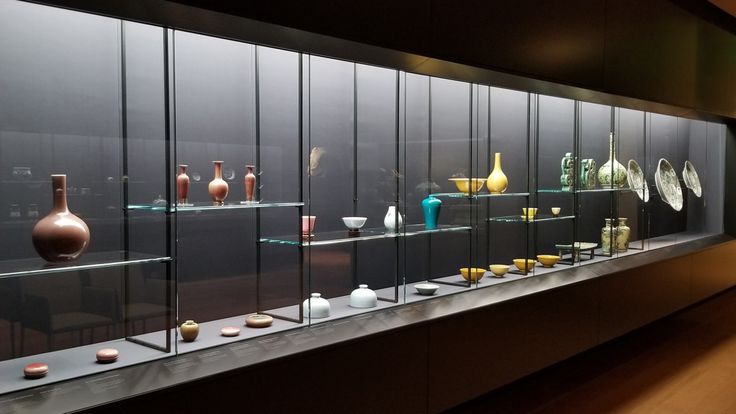
An empty section of shelving can make some store owners uncomfortable. There is a temptation to add more products until every surface is occupied. The result is often a display that looks busy but makes individual items less noticeable.
Customers need enough room to distinguish products, read labels, and compare details. This is particularly important when several similar items are displayed together. If everything sits tightly packed against everything else, shoppers have to work harder to find what interests them.
Leave some breathing room around important products and group related items in a way that makes sense. You do not need to spread merchandise out excessively. The goal is simply to make each section easy to understand at a glance.
Think About the Whole Room
A display rarely exists on its own. It sits alongside shelving, counters, signs, lighting, and other fixtures, all competing for a customer’s attention.
Before adding something new, look at the surrounding area. Is there already a strong focal point nearby? Will the new display block an important sign or make a narrow route feel tighter? Could moving an existing fixture solve the problem without adding anything else?
Wall-mounted options can help keep floor areas open, but they still need careful positioning. A cabinet placed too high may be difficult to examine, while one surrounded by too many other visual elements can easily go unnoticed.
Make Access Part of the Decision
A display may look tidy on installation day but become awkward during normal store operations. Staff need to clean it, rearrange products, and retrieve items when customers want a closer look. If these tasks take too long, the fixture becomes less practical.
Consider door openings, locks, shelf adjustment, and the space required for staff to work safely. For heavier cabinets, check the wall structure and mounting requirements before installation rather than relying on appearance alone.
Review What Actually Works
Once the display is in place, pay attention to how customers use the area. Do they stop to look? Can they see the products clearly? Are staff constantly moving nearby merchandise to make room?
These observations are more useful than simply judging whether the fixture looks attractive. Good merchandising is not about installing the biggest display or filling every available space. It is about presenting the right products clearly, making them easy to browse, and keeping the rest of the store practical to use.
About the Author